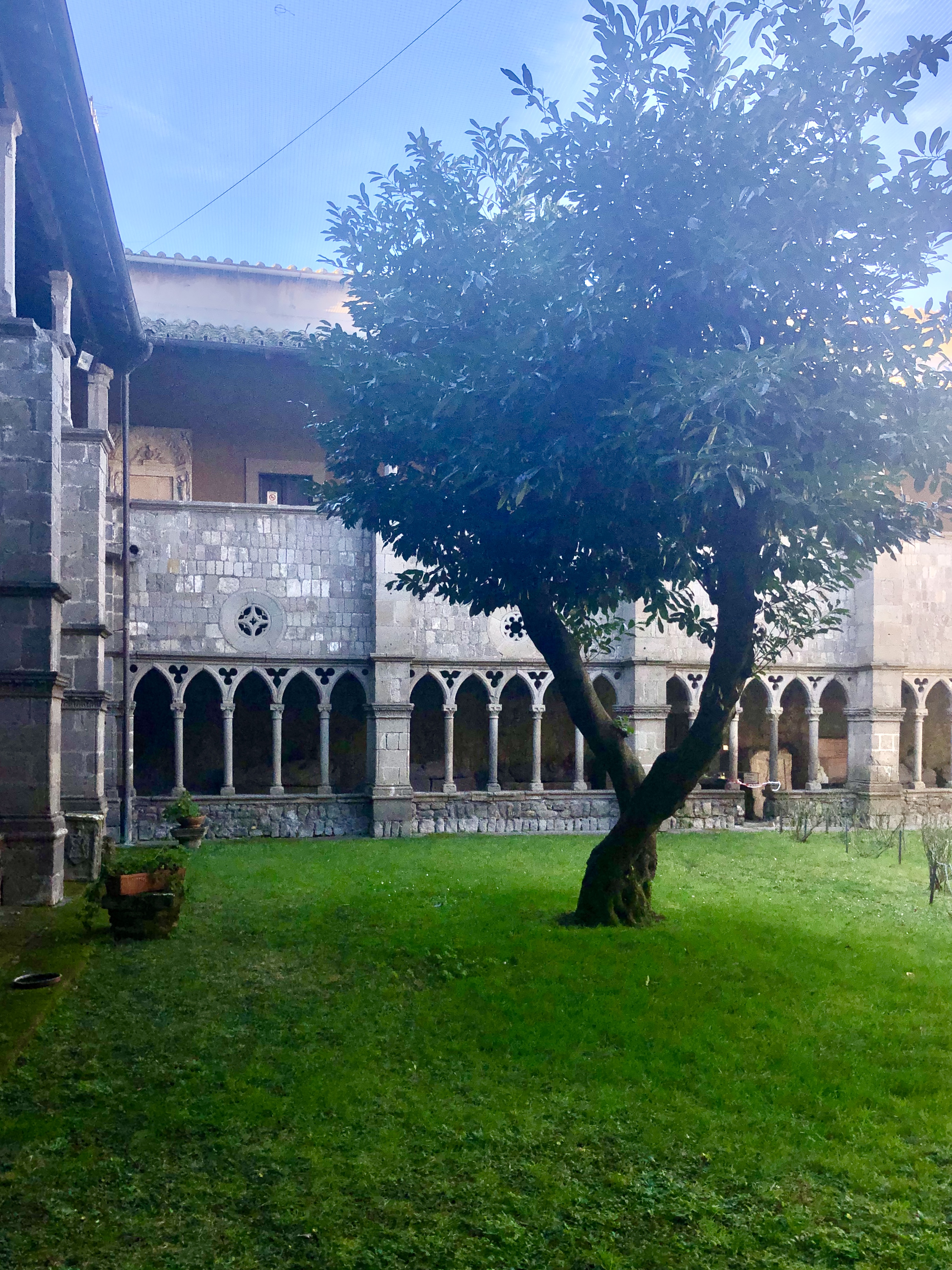
Last Thursday my Travel writing class took the small field trip to the Etruscan Museum, less than a ten-minute walk outside of Porta Romana. This quiet and relaxed museum holds artifacts excavated the Etruscan tombs located in Tarquinia. The main feature of the museum are the numerous sarcophagus arranged by family and social status around the museums covered courtyard. These sarcophagus date back to the 3rd and 4th century B.C. and offer the only insight to the Etruscan society. They are among the only surviving artifacts from this civilization and thus are precious pieces of Etruscan history.
The museum presents its history in a unique and interesting way. The artifacts introduce themselves as the people who were believed to be buried there and provide as much information as we can understand from the sarcophagus. This is a very intelligent way of organizing the information because it feels far more personal and it encourages the patron to connect with the history on a more personal level.
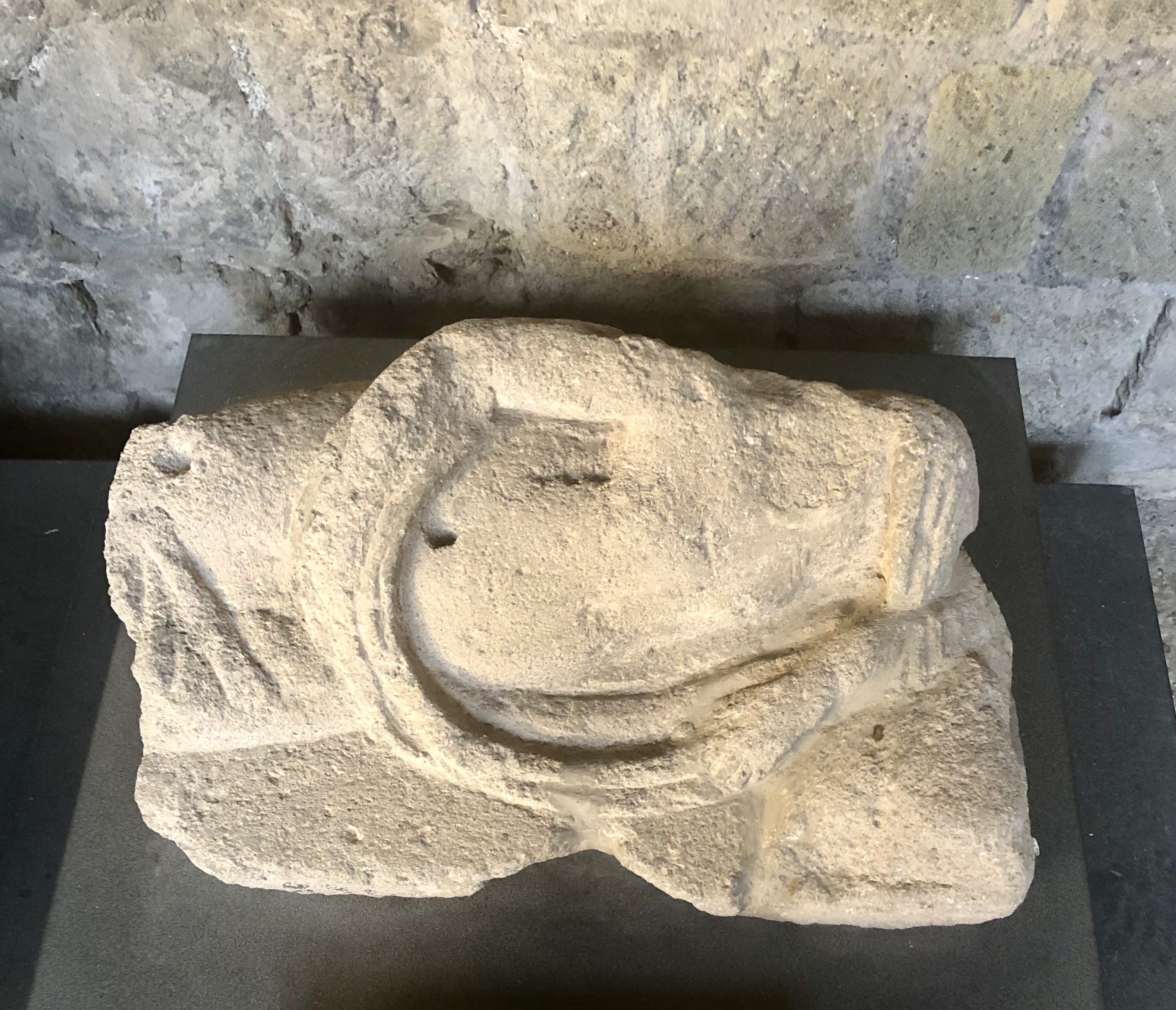
As I walked around the peaceful courtyard I was overwhelmed by just how ancient all these stone sculptures where. I placed my hard on the weathering stone and imaged the vibrant colors that once covered them. The love and care the Etruscans put into honoring their dead was and is beautiful. I was especially surprised by the sarcophagi made for children, how much smaller they looked sitting among these large stone carvings.
Nothing in American history date back nearly as far as these artifacts. The oldest American burial ground is in Massachusetts and was established in 1638. Still, I am struck by the humanity of this history. Humans have always built memorials to honor their dead. After visiting this museum, I feel it is one of the most human acts, to mourn and pay respect to lost loved ones. It is one continuing thread throughout the world and time and a way to connect to people who lived so very long ago.

